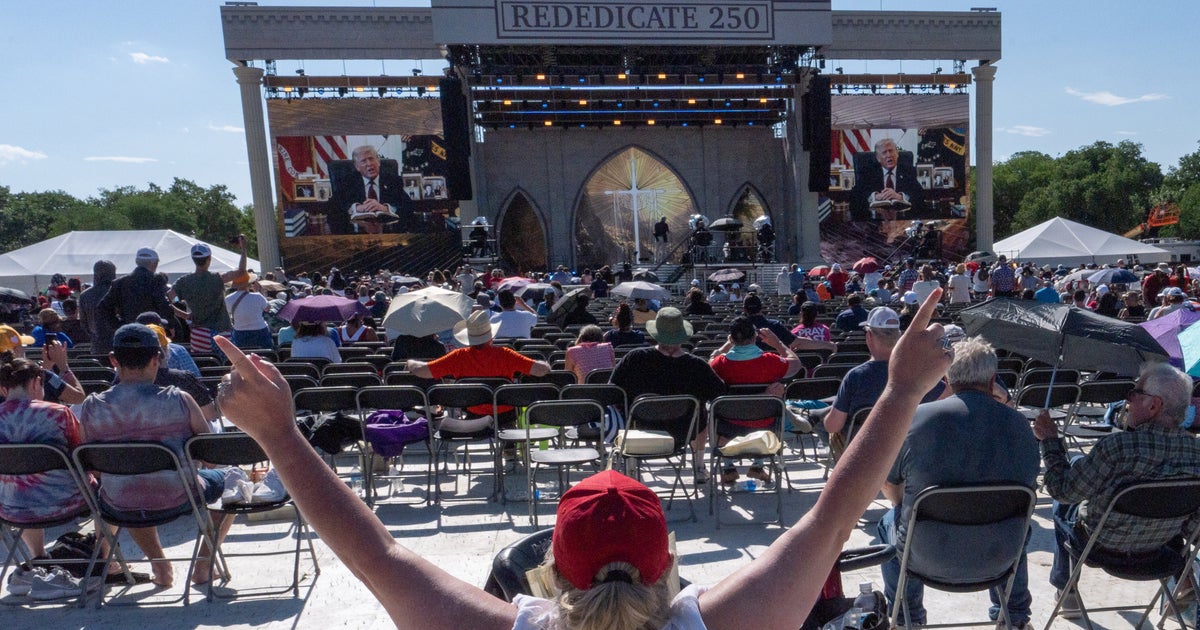
The Supreme Court tackled race, history and the law in fraught and reflective major rulings
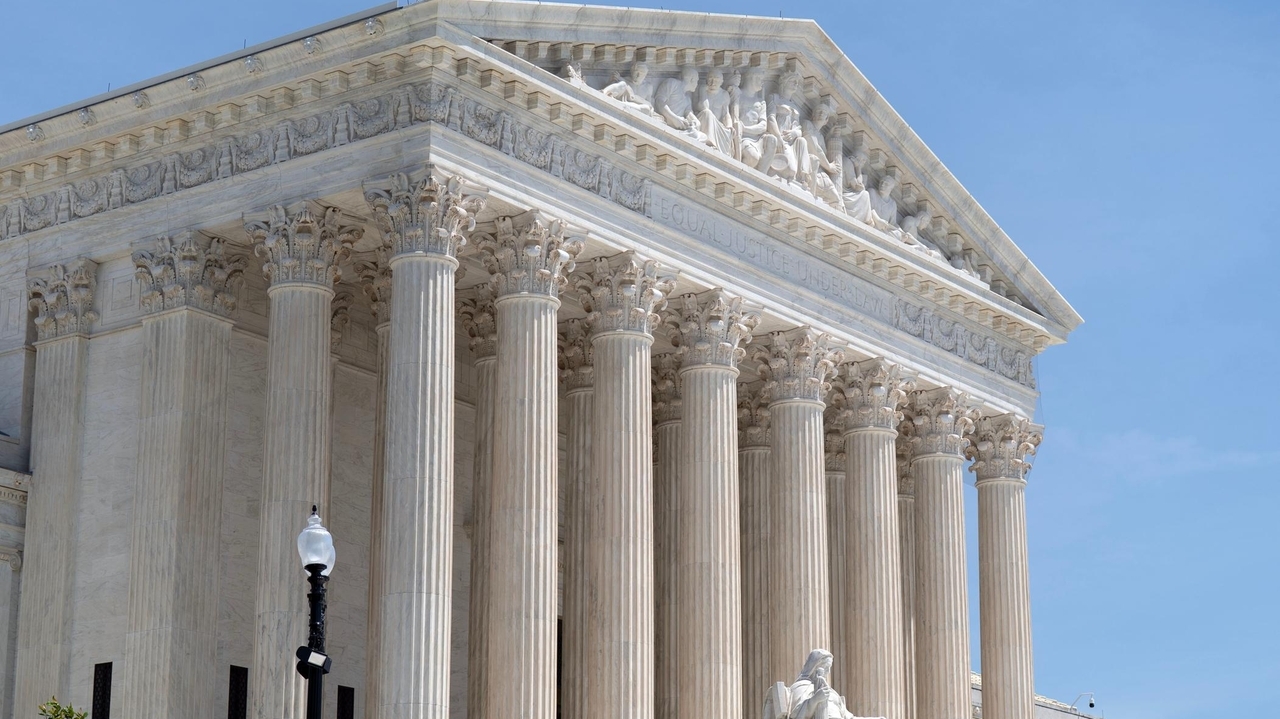
Supreme Court's Major Rulings Redefine Race and Discrimination Laws
In a year of weighty decisions, the U.S. Supreme Court has delivered rulings on race and discrimination that echo across the nation, stirring debate and potentially reshaping American society and politics for years to come.
The Breaking Point
The court concluded its term with landmark decisions involving race-related issues, revealing a schism among justices over the direction of U.S. legal precedents. The rulings included narrowing key protections under the Voting Rights Act, dismissing deportation safeguards for immigrants under Temporary Protected Status (TPS), and affirming the 14th Amendment's birthright citizenship provision.
Beneath the Surface
At the heart of these decisions is a nation grappling with its evolving identity amidst growing racial diversity and contentious immigration debates. The reversal of TPS protections prompted criticism that racial bias influenced policy, despite the justices’ claims to the contrary. Meanwhile, the affirmation of birthright citizenship underscored a deep historical lineage in American civil rights struggles.
The Ripple Effect
These rulings could spark significant shifts in societal dynamics, particularly affecting minority communities and immigration policies. By constraining the Voting Rights Act, the court opened doors for states to redraw districts in ways critics fear could dilute minority influence. As diverse voices raise concerns, the impacts of these decisions are likely to resonate widely, drawing lines between judicial interpretations and civil rights commitments.
"The consequences are likely to be far-reaching and grave," Justice Kagan expressed, spotlighting the potential scale of change from these rulings.
Justice Elena Kagan