This Tiny Device Could Help Save Millions From Food Poisoning
A Game-Changing Device to Combat Food Poisoning Worldwide
A revolutionary device from UC Berkeley is poised to transform food safety, potentially saving millions from food poisoning each year with its innovative 'electric nose'.
The Breaking Point
Food poisoning claims over 1.5 million lives annually due to contaminated foods, according to the World Health Organization. Traditional methods of gauging food freshness, like the sniff test, often fail, leaving people vulnerable to serious illnesses.
Beneath the Surface
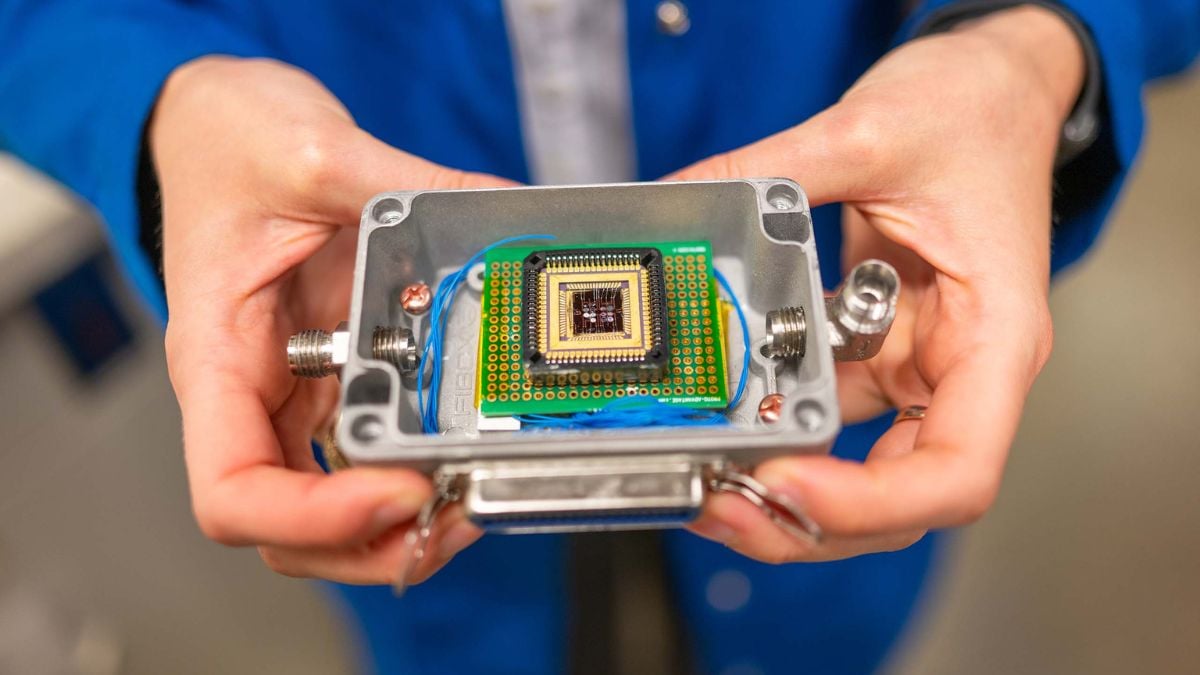
Engineers at the University of California, Berkeley, are stepping in with an 'electric nose'—a compact device capable of detecting gases that indicate spoilage or allergens in food, significantly improving upon the human nose’s limited detection capabilities.
"How great would it be if your fridge could tell you, 'Your chicken is on its last day'?," says electrical engineer Carla Bassil.
Carla Bassil, UC Berkeley
The Ripple Effect
With applications spanning from home kitchens to restaurants, the e-nose uses nanotechnology and machine learning to achieve up to 93% accuracy in detecting spoilage and allergens. Its potential extends beyond food, possibly aiding in health diagnostics akin to diabetes alert dogs.
While the e-nose may one day become an everyday tool against food poisoning and allergies, its scalability and cost for widespread use remain to be determined.